




































July 12, 2026 | International Desk
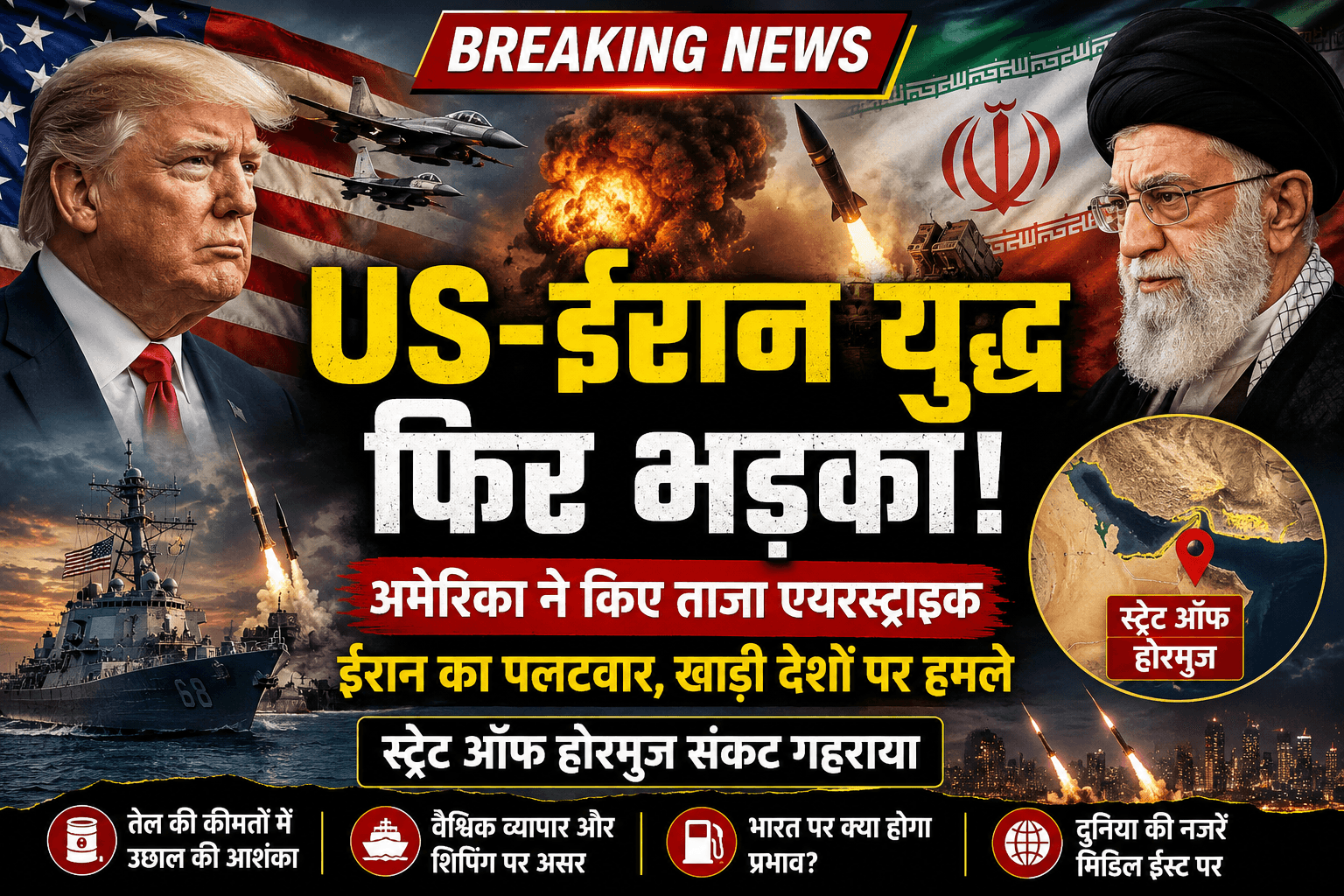
Rewa Today : The Middle East has entered another dangerous phase after the United States launched a fresh round of military strikes on Iranian targets, prompting Tehran to retaliate with missile and drone attacks across several Gulf nations. The latest escalation has significantly increased fears of a wider regional conflict and renewed concerns over global energy security.
According to U.S. officials, the latest military operation was carried out in response to an attack on a commercial container vessel transiting the Strait of Hormuz. Washington said the strikes targeted military installations linked to Iran’s missile and drone capabilities, emphasizing that the operation was intended to protect international shipping and maintain freedom of navigation in one of the world’s busiest maritime corridors.
Iran, however, strongly condemned the American action and described it as a violation of its sovereignty. In retaliation, Iranian forces reportedly launched multiple missile and drone attacks targeting locations in several Gulf countries that host U.S. military assets. Air defense systems were activated in countries including Qatar, Bahrain, Kuwait, Oman and the United Arab Emirates as regional tensions rapidly intensified. Reports indicate that some areas suffered minor damage and injuries, although authorities continue to assess the full impact.
Strait of Hormuz Becomes the Center of the Crisis
The strategic Strait of Hormuz has once again emerged as the focal point of the conflict. Iranian authorities declared restrictions on maritime traffic, while the United States insisted that international commercial shipping remains operational under the protection of coalition naval forces. The uncertainty surrounding the waterway has raised concerns among global shipping companies and energy markets because nearly one-fifth of the world’s oil supply passes through this narrow passage.
Energy analysts warn that any prolonged disruption could trigger a fresh surge in crude oil prices, increase transportation costs and place additional pressure on inflation across major economies.
Global Markets Watching Every Move
Financial markets are closely monitoring developments in the Gulf. Oil traders fear that prolonged military confrontation could disrupt global supply chains and energy exports from the Middle East.
Shipping companies have reportedly begun reviewing alternative routes and increasing security measures for vessels operating in the region. Insurance premiums for cargo passing through the Gulf are also expected to rise if tensions continue.
Diplomatic Efforts Continue Despite Escalation
While military operations have intensified, diplomatic channels remain active. Several regional and international governments are urging both Washington and Tehran to exercise restraint and return to negotiations before the conflict expands into a broader regional war.
Russia, China and several Middle Eastern countries have called for an immediate de-escalation, warning that continued hostilities could threaten global peace, international trade and economic recovery.
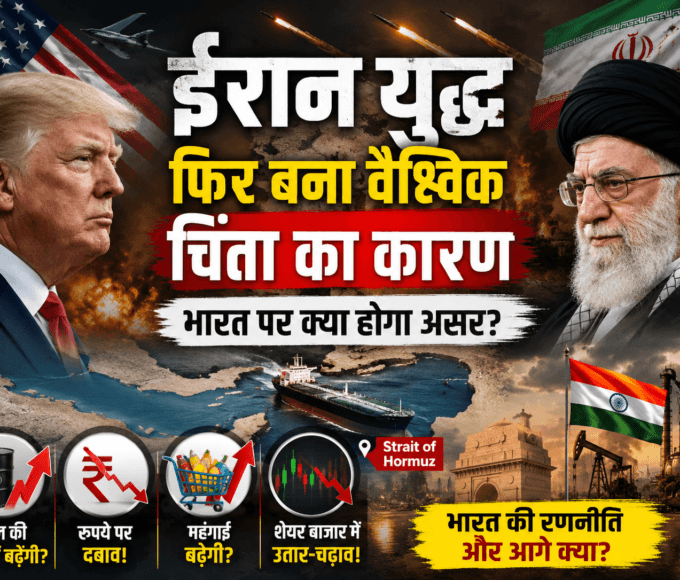
What Could Be the Impact on India?
India is closely monitoring the rapidly evolving situation due to its significant dependence on energy imports from the Gulf region.
If tensions continue to escalate, India may face:
- Rising crude oil prices leading to higher petrol and diesel costs.
- Increased shipping expenses affecting imports and exports.
- Higher inflation due to rising transportation and logistics costs.
- Potential disruptions to supply chains and energy security.
Indian authorities are also monitoring the safety of Indian citizens working across the Gulf region.
What’s Next?
Military analysts believe the coming days will be crucial. The key questions now include whether Iran will further tighten restrictions around the Strait of Hormuz, whether the United States will conduct additional strikes, and whether international mediation efforts can prevent a wider regional conflict.
With both sides maintaining aggressive military postures, the Middle East remains on high alert, and global markets are expected to react sharply to every new development.











Leave a comment